Seasons · Field guide
The best time to visit Kashmir: a season-by-season guide
Snow is only one version of the valley. Here is how Kashmir changes through spring blossom, long summer days, amber autumn and deep winter.
There is no single best month for Kashmir. The right time depends on the landscape you want to see, the places you hope to reach and how you feel about cold, crowds and changing mountain weather.
Spring is bright with blossom, summer opens the high roads, autumn quietens the valley and winter redraws familiar places in snow. This guide helps you match the season to the journey rather than choosing a date from a postcard alone.
01 · Field note
The quick answer
For comfortable sightseeing and broad road access, May to June and September to October are dependable starting points. Families often prefer the longer, milder days from May through August. Travellers coming specifically for snow should look at late December through February, while spring blossom usually defines March and April.
- Snow and winter atmosphere: late December to February
- Tulips and spring blossom: March to April
- Meadows, day trips and family travel: May to August
- Clearer air, chinar colour and quieter stays: September to November
02 · Field note
Spring: blossom, gardens and cool mornings
From March, Srinagar begins to soften. Almond and cherry blossom appear, Mughal gardens regain colour and the valley feels newly opened after winter. April is associated with Srinagar's tulip season, although flowering dates shift with the weather each year.
Spring temperatures can change quickly. Pack a warm layer for early mornings and evenings, and keep one flexible day in the plan if a mountain excursion matters to you. Gulmarg may still hold snow while Srinagar is already in bloom, which makes this one of the most visually varied times to travel.
03 · Field note
Summer: open valleys and the easiest family rhythm
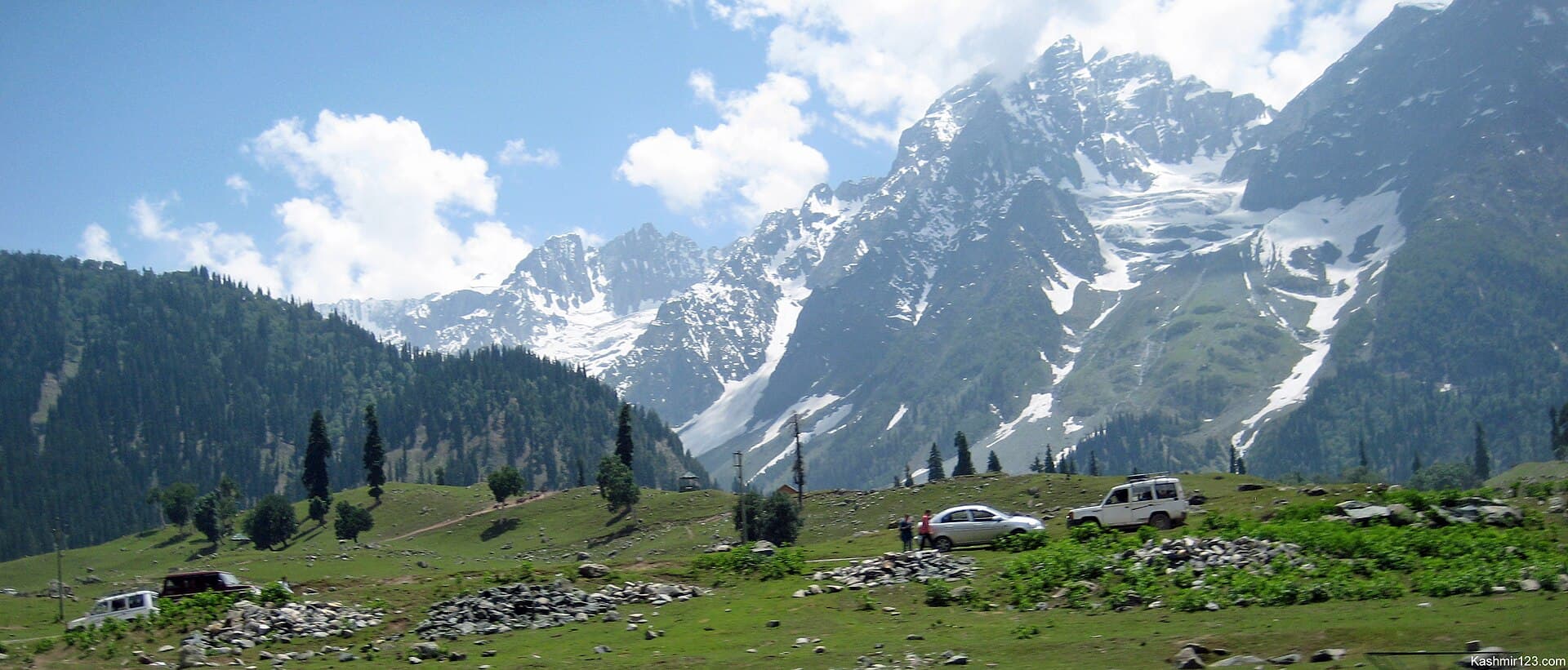
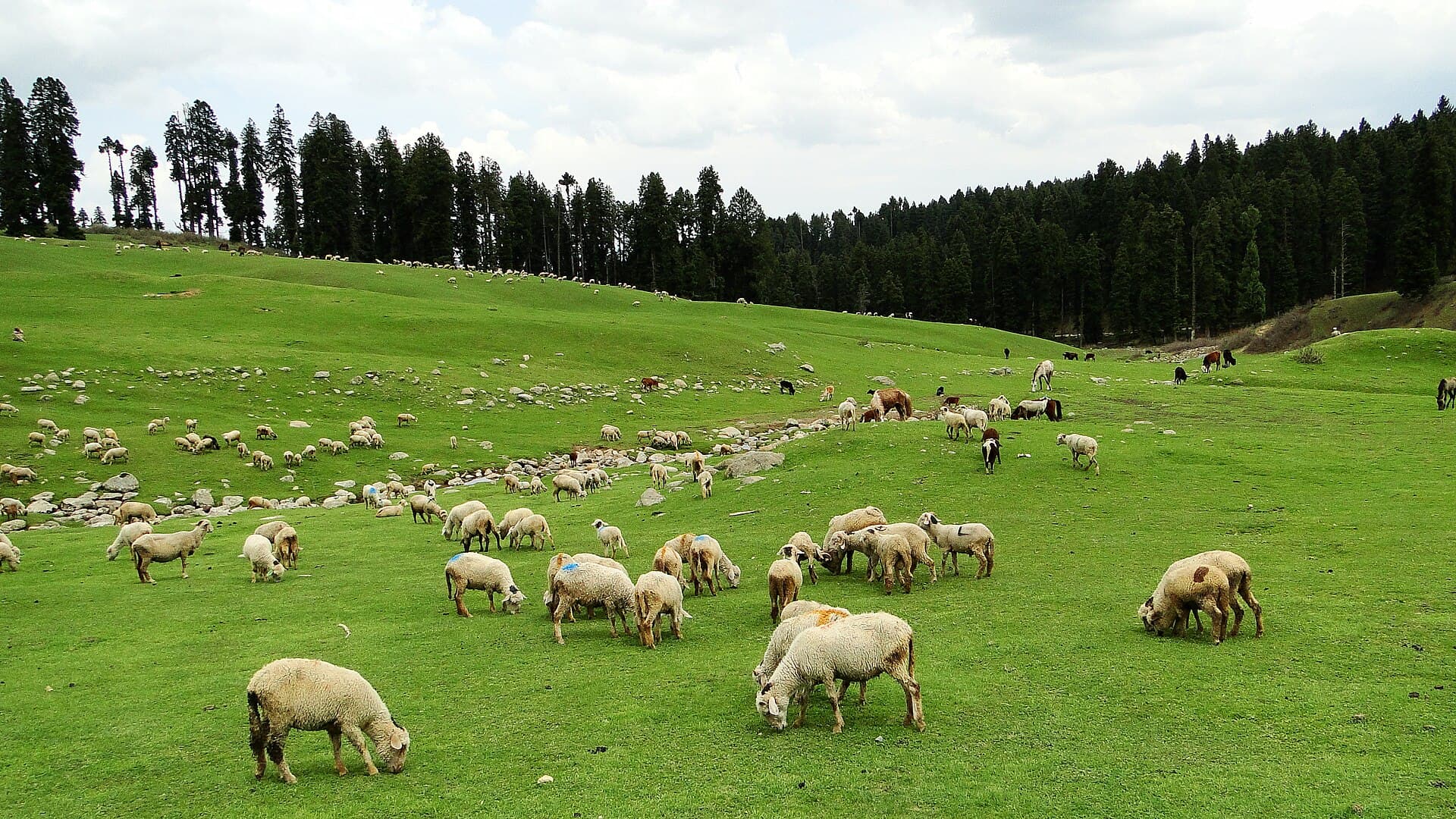
May and June bring green meadows, clearer access towards Sonamarg and long days for sightseeing. July and August are warmer in Srinagar, while Pahalgam, Gulmarg and the higher valleys remain popular for cooler air and outdoor time.
This is the simplest season for a classic first visit because most routes can be combined without making the itinerary fragile. It is also a busy period, so reserve well-located stays early and avoid changing hotels every night. Two-night bases create a calmer holiday and protect children and older travellers from constant packing.
04 · Field note
Autumn: chinar colour and a slower valley
September often keeps the ease of summer with fewer peak-season crowds. As October advances, chinar leaves turn copper and the light becomes crisp. November is colder and quieter, with shorter days and a greater chance that seasonal activities begin to wind down.
Autumn suits photographers, couples and travellers who prefer atmosphere to a packed checklist. Build sightseeing around the available daylight and choose a warm, well-reviewed stay; evenings arrive earlier than many first-time visitors expect.
05 · Field note
Winter: snow, stillness and contingency plans
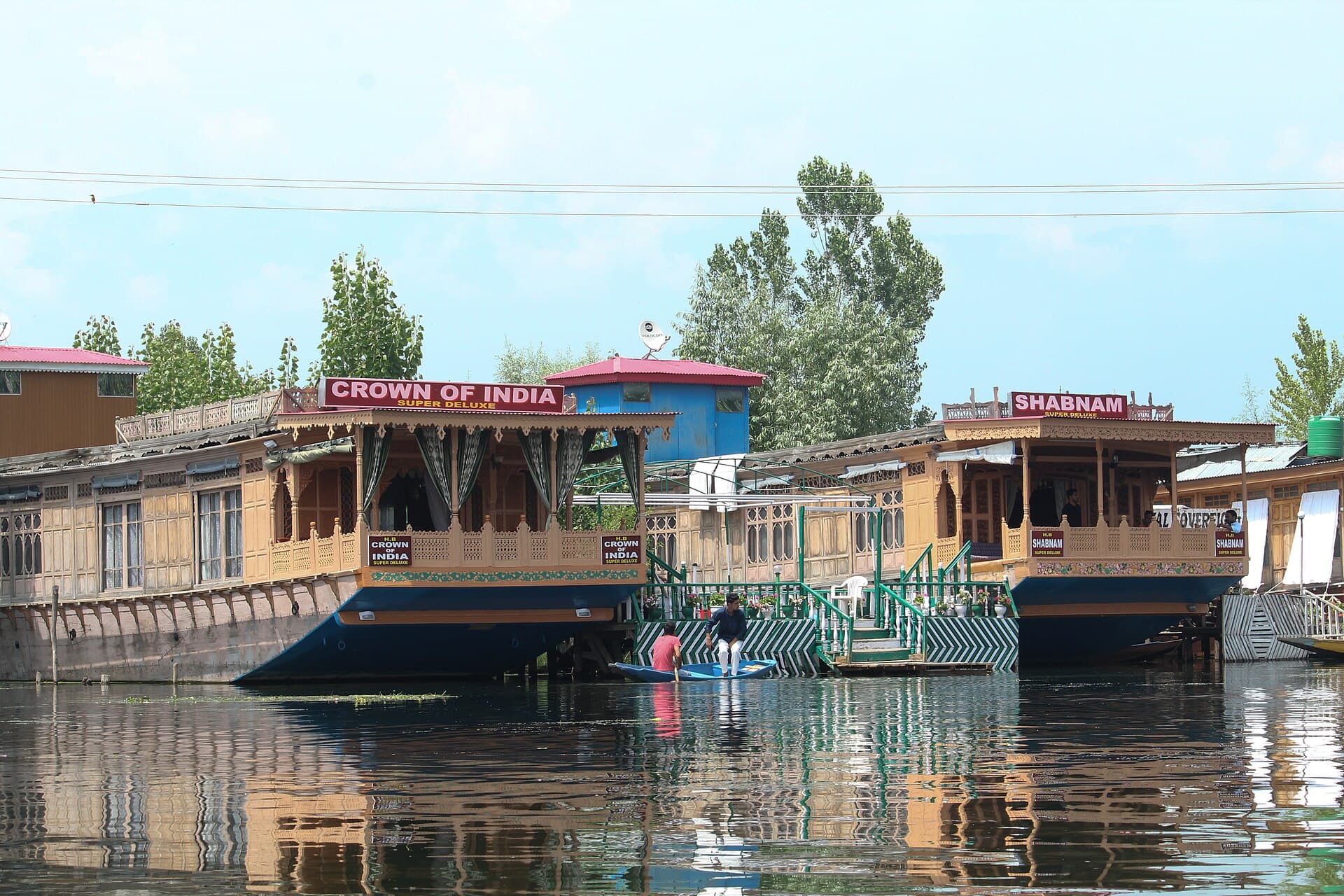
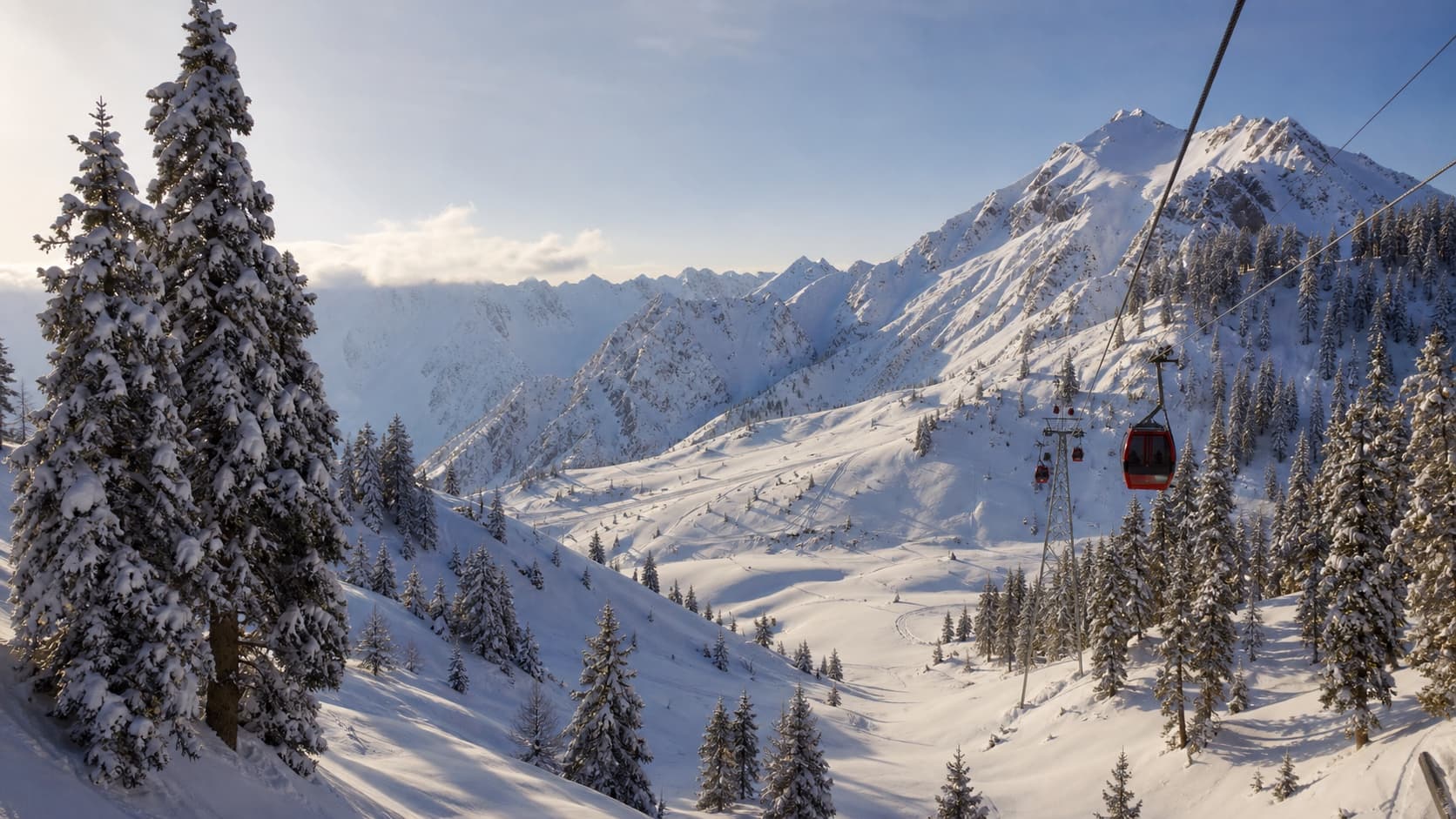
Winter Kashmir is beautiful but asks for a different kind of itinerary. Gulmarg is the focus for snow experiences, while Srinagar gives the trip culture, food and lakeside calm. Pahalgam can be rewarding too, depending on road and weather conditions.
Allow buffer time, use a suitable vehicle, carry waterproof footwear and treat weather changes as part of mountain travel. A good winter plan has alternatives already built in, so a delayed excursion does not feel like a lost day.
Keep these in mind
Key takeaways
- Choose dates for the experience you value most, not for a generic 'best month'.
- Keep mountain days flexible in spring and winter.
- Use fewer hotel changes during busy summer family trips.
- Confirm seasonal openings and live conditions shortly before travel.